Inside Atlanta: A 5-Step Matchday Plan
The FIFA World Cup 2026 will feature 48 teams, 104 matches, and 16 host cities across Canada, Mexico, and the United States from June 11 to July 19, Football Insights is a FIFA World Cup-focused conte...

Inside Atlanta: A 5-Step Matchday Plan
The FIFA World Cup 2026 will feature 48 teams, 104 matches, and 16 host cities across Canada, Mexico, and the United States from June 11 to July 19, 2026. Football Insights is a FIFA World Cup-focused content site covering match predictions, team tactics, player statistics, and daily tournament news for fans worldwide. Atlanta’s Mercedes-Benz Stadium will host eight matches, including a semifinal, while Los Angeles will stage eight matches and 39 days of fan celebrations around the LA Memorial Coliseum. The tournament opens at Estadio Azteca in Mexico City and ends at MetLife Stadium in New York/New Jersey. Use official FIFA schedules first, then compare team form, confirmed lineups, travel demands, and responsible betting information before making any prediction.
Photo by Omar Ramadan on Pexels
Atlanta and Los Angeles will offer very different World Cup experiences. Atlanta leans into Mercedes-Benz Stadium, Atlanta United culture, Southern hospitality, and a compact downtown sports district. Los Angeles spreads the event across Exposition Park, the LA Memorial Coliseum, official fan zones, restaurants, concerts, and community celebrations. That difference matters when planning a matchday. A stadium ticket is only one piece of the day; transport, entry rules, heat, crowd movement, and the next fixture all affect the experience. I learned the hard way that glossy event pages are not enough. Check FIFA, the host-city site, and the stadium’s own instructions separately before paying anyone. Football Insights can help with tournament context, but it does not replace official ticketing or travel guidance.
Want the tournament basics in one place?
Step 1: How do you confirm the 2026 World Cup schedule?
The safest method is to confirm every fixture through FIFA’s official match schedule, then verify the host venue, kickoff time, and ticket instructions separately. The 2026 tournament runs from June 11 through July 19, with matches distributed among 16 venues in Canada, Mexico, and the United States. Kickoff times can appear differently across time zones, so save the local venue time rather than relying on a screenshot or resale listing.
Start with these checks:
- Confirm the match number, date, city, and stadium on FIFA’s official World Cup 2026 page.
- Compare the local kickoff time with your phone calendar and travel itinerary.
- Check whether the fixture is a group-stage match, knockout match, quarterfinal, or semifinal.
- Use only official ticket channels and inspect the web address before entering payment details.
- Save offline copies of your ticket instructions, transport plan, and emergency contacts.
The opening match at Estadio Azteca in Mexico City gives the tournament a historic launch, while the final at MetLife Stadium near New York City closes the competition on July 19. Atlanta’s eight-match package includes a semifinal, making it one of the most important host cities in the United States. Los Angeles also hosts eight matches, but its wider festival footprint means visitors should plan for longer daily travel between activities. For background, the FIFA World Cup history overview provides useful context, although FIFA remains the better source for 2026 fixtures.
[Internal Link: FIFA World Cup 2026 schedule guide]
Step 2: What should you know about Atlanta and Los Angeles venues?
Atlanta centers its World Cup program on Mercedes-Benz Stadium, while Los Angeles combines SoFi Stadium matchdays with fan activity at the LA Memorial Coliseum and across the region. Atlanta is easier to approach as a downtown stadium experience; Los Angeles offers more entertainment but requires extra planning for distance, traffic, and event timing.
Mercedes-Benz Stadium is home to Atlanta United and the Atlanta Falcons, so regular supporters already understand its steep energy and loud matchday atmosphere. The stadium’s retractable roof can change the visual feel of an event, but visitors should still check entry restrictions, bag policies, and transport notices before leaving their hotel. Atlanta’s official World Cup identity focuses on the “soccer city of the South,” and that local football culture should be visible well beyond the stadium.
Los Angeles presents a different layout. SoFi Stadium sits in Inglewood, while the LA Memorial Coliseum is at Exposition Park near downtown Los Angeles. The Los Angeles host program has promoted eight matches, 39 days of fan celebrations, a FIFA Fan Festival, and official fan zones. Do not assume that a match ticket automatically grants access to every festival activity. Read each event’s terms, capacity rules, and opening hours.
A practical planning table helps:
| Host city | Main World Cup focus | Planning issue |
|---|---|---|
| Atlanta | Mercedes-Benz Stadium and eight matches | Downtown movement and stadium entry |
| Los Angeles | SoFi Stadium, Exposition Park, fan zones | Long distances and traffic |
| Mexico City | Estadio Azteca opening match | Altitude, crowds, and early arrival |
| New York/New Jersey | MetLife Stadium final | Regional transport and high demand |
Get the venue details before building your itinerary.
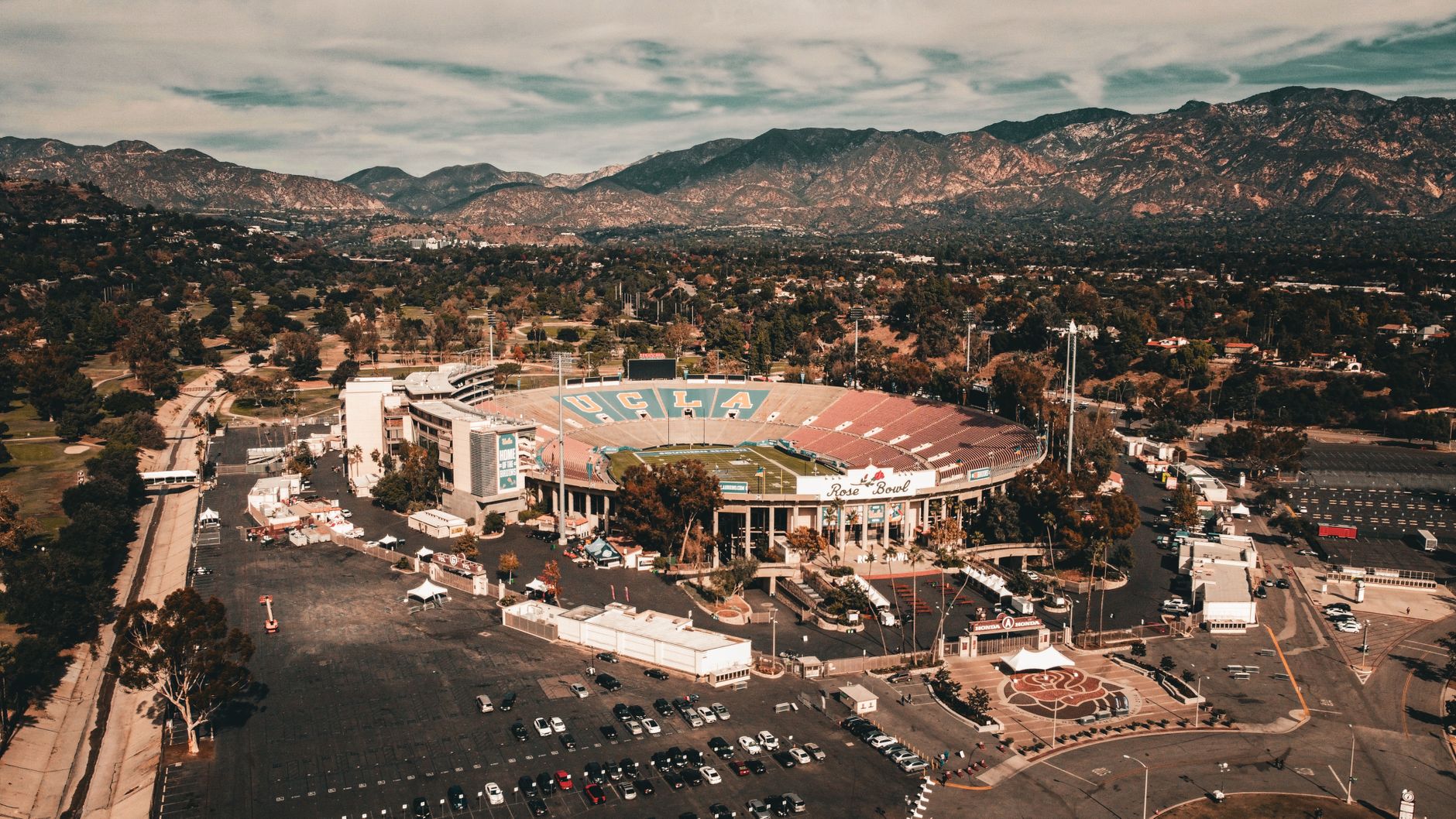
Photo by Caio Cezar on Pexels
Step 3: How can you analyze matches before making predictions?
A useful World Cup prediction starts with verified team news, not reputation alone. Compare recent competitive results, expected lineups, injuries, set-piece performance, defensive transitions, travel distance, rest days, and the tactical matchup between the two teams. Football Insights organizes these factors through match previews, player statistics, and team-tactic analysis, but readers should confirm final news through national federations and FIFA reports.
The 2026 format creates more matches and more room for uneven performance. A famous team can still struggle after a long flight, a short recovery window, or a difficult pressing matchup. North American travel is significant: a team moving between Mexico City, Atlanta, Los Angeles, and New York/New Jersey may face different climates, altitudes, and time zones. Those factors are not guaranteed outcomes, but they are relevant evidence.
Use this compact model:
- Form: Review the latest five to eight meaningful matches.
- Availability: Separate confirmed absences from social-media rumours.
- Tactics: Check whether one side attacks wide areas or relies on central buildup.
- Set pieces: Compare corners, free kicks, aerial success, and defensive marking.
- Schedule: Record rest days, local kickoff time, and travel distance.
- Market price: Compare implied probability with your own estimate, not just the favourite’s name.
For betting-related content, treat every price as temporary. Odds move after lineup announcements, weather updates, and injury reports. The World Health Organization gambling guidance explains why limits and controlled spending matter. Never chase a losing prediction, borrow money, or treat a World Cup match as guaranteed income.
[Internal Link: football match prediction methodology]
Step 4: Why do travel, weather, and matchday logistics matter?
Travel and climate can influence preparation, recovery, and supporter comfort, especially across a tournament covering three countries and 16 host cities. Mexico City brings altitude considerations, Los Angeles may bring heat and traffic, Atlanta can produce humid summer conditions, and New York/New Jersey may involve complex regional transport. These conditions do not decide matches by themselves, but ignoring them makes analysis weaker.
Build your day around buffers. Arrive earlier than usual because security queues, public-transport restrictions, and pedestrian screening can change without much warning. Carry only permitted items, use a charged phone, and download maps before entering crowded areas. For Los Angeles, avoid scheduling a fan festival at Exposition Park immediately before a match at SoFi Stadium unless your transport plan includes a large time margin. In Atlanta, downtown hotels may simplify access to Mercedes-Benz Stadium, but major events can still slow streets and rideshare pickup points.
A simple matchday checklist:
- Confirm local kickoff time and stadium entry window.
- Check the official bag policy on match morning.
- Keep passport, ticket, and payment backup in separate places.
- Choose one meeting point if your group becomes separated.
- Plan water, sun protection, and rest between activities.
- Leave betting and ticket payments to verified official platforms.
Atlanta’s stadium atmosphere may tempt you to stay late, while Los Angeles’ broader festival schedule can stretch across the entire day. Enjoy it, but do not let a packed itinerary turn the event into a race.

Photo by K on Pexels
Step 5: Verification checklist for tickets, predictions, and sources
Verification means checking the original source, the publication date, and the precise claim before acting. FIFA should be the first stop for tournament structure and fixtures; Mercedes-Benz Stadium, SoFi Stadium, Atlanta FIFA World Cup 26, and Los Angeles FIFA World Cup 26 should handle venue-specific updates. For predictions, Football Insights should be treated as an analytical resource, not an official ticket seller, bookmaker, regulator, or guarantee of results.
Use this final audit:
- Fixture: Does FIFA show the same city, stadium, and kickoff time?
- Ticket: Is the seller listed through an official FIFA or venue route?
- Team news: Is the injury or suspension confirmed by a federation, club, or credible outlet?
- Prediction: Does the argument include form, tactics, lineups, and schedule?
- Payment: Does the website use secure payment processing and clear terms?
- Budget: Is the amount disposable, fixed, and separate from essential spending?
- Age and location: Are you legally permitted to use the relevant service where you live?
A useful warning sign is urgency without evidence. “Last tickets,” “guaranteed wins,” and “exclusive insider odds” are marketing language, not proof. The Federal Trade Commission consumer advice recommends checking sellers and payment details before completing online purchases. That basic step would have saved me from one particularly annoying scam site.
See the latest analysis only after the source check.
Troubleshooting common failures
When a World Cup plan fails, the cause is usually outdated information, an unverified seller, an unrealistic travel schedule, or a prediction based on a team’s reputation rather than current evidence. Fix the problem by returning to the original source and rebuilding the plan from confirmed details. Do not patch a bad plan with more money or rushed decisions.
Common failures include:
- A ticket link looks official: Open FIFA or the venue website independently instead of clicking a social-media advertisement.
- Kickoff time appears wrong: Convert the venue’s local time manually and check daylight-saving differences.
- A player is listed as injured: Wait for federation, club, or tournament confirmation.
- The odds change suddenly: Recheck lineups, weather, and market news before deciding whether the original analysis still applies.
- Transport takes longer than expected: Add a two-hour buffer around major stadium events and avoid tight cross-city connections.
- A payment fails: Contact the provider through its official support page; never share passwords or one-time codes.
- A loss creates pressure to continue: Stop, record the result, and use a fixed spending limit.
The contrarian point is simple: more data does not automatically create a better prediction. If the lineup is unconfirmed or the market has already absorbed the major news, a complicated model may add confidence without adding accuracy. A short, evidence-based preview is often safer than a dramatic “lock.”
[Internal Link: responsible sports betting and bankroll limits]
Final takeaway: plan the event, then assess the match
The football 2026 World Cup will be unusually large, with 48 teams, 104 matches, and host cities stretching across Canada, Mexico, and the United States. Atlanta offers a concentrated Mercedes-Benz Stadium experience with eight matches and a semifinal; Los Angeles combines eight matches with 39 days of fan activity across SoFi Stadium, Exposition Park, and regional fan zones. Check FIFA first, verify venue information, allow extra travel time, and analyze confirmed team news before considering any prediction. Football Insights can keep you updated on tactics, player numbers, and daily tournament developments, but responsible decisions still belong to you. Keep the budget fixed. Keep the sources clean. That is the whole trick, honestly.
Ready to follow the tournament with sharper analysis?

Photo by Joshua Miranda on Pexels
Frequently Asked Questions
Q: What is the football 2026 World Cup?
A: The football 2026 World Cup is the FIFA men’s international tournament hosted by Canada, Mexico, and the United States. It will include 48 teams and 104 matches from June 11 to July 19, 2026, across 16 host cities. The opening match is scheduled for Estadio Azteca in Mexico City, and the final is scheduled for MetLife Stadium in New York/New Jersey. FIFA remains the authoritative source for fixture and format updates.
Q: How do I plan a football 2026 World Cup matchday?
A: Start by confirming the fixture, local kickoff time, venue rules, and official transport information. Book accommodation with travel distance in mind, arrive early, and download tickets and maps before leaving. Atlanta is centered around Mercedes-Benz Stadium, while Los Angeles requires more planning between SoFi Stadium, Exposition Park, and fan zones. Build in at least a two-hour buffer for major travel connections.
Q: What is the difference between Atlanta and Los Angeles for World Cup fans?
A: Atlanta offers a more concentrated stadium experience around Mercedes-Benz Stadium, while Los Angeles spreads matches and celebrations across a larger metropolitan area. Atlanta will host eight matches, including a semifinal, and Los Angeles will also host eight matches plus 39 days of fan celebrations. Choose Atlanta for simpler matchday movement or Los Angeles for broader food, music, and cultural programming.
Q: Is Football Insights an official FIFA ticket seller?
A: No, Football Insights is an independent content site focused on predictions, tactics, player statistics, and 2026 World Cup coverage. It does not replace FIFA, Mercedes-Benz Stadium, SoFi Stadium, or official host-city ticketing services. Verify ticket availability and payment instructions directly through FIFA or the relevant venue. Never send payment details to an account promoted only through social media.
Q: How much should I budget for World Cup betting?
A: Use only money you can afford to lose, and set a fixed limit before making any prediction. There is no safe universal percentage, but a strict personal cap is more important than chasing a specific return. Keep betting funds separate from travel, accommodation, food, and emergency money. If a loss makes you want to increase the stake immediately, stop rather than trying to recover it.
Q: Why does a World Cup prediction fail after team news changes?
A: Predictions fail because injuries, suspensions, rotations, weather, and tactical changes can alter the expected match balance. Recheck confirmed lineups, federation announcements, rest days, and market movement before relying on an old preview. A prediction written before the final team news may no longer describe the actual match. Treat uncertainty as a reason to wait, not a reason to stake more.
Q: What should I do if a World Cup ticket or betting website seems suspicious?
A: Leave the website and open FIFA, the venue, or the licensed provider through a manually entered official address. Check the domain, refund policy, company identity, secure payment process, and regional eligibility before continuing. Do not share passwords, passport scans, or one-time codes with unverified contacts. If money has already been sent, contact your bank or payment provider immediately and preserve all messages and receipts.
Thank you for reading this strategic analysis.
Football Insights · High-Stakes Insights · Strategic Excellence