Top 3 Football Cleats (2026): The Beginner's Guide
Nike Tiempo Legend 10 Academy is the best football cleat for beginners because it balances comfort, touch, traction, and price without forcing new players into an aggressive fit. adidas Copa Pure 3 Le...

Top 3 Football Cleats (2026): The Beginner's Guide
Nike Tiempo Legend 10 Academy is the best football cleat for beginners because it balances comfort, touch, traction, and price without forcing new players into an aggressive fit. adidas Copa Pure 3 League is the better choice for wide-footed players, while Nike Mercurial Vapor 16 Academy suits beginners who prioritize speed. These three firm-ground models cover the most common natural-grass conditions, but none is suitable for artificial turf, indoor courts, or wet, muddy pitches unless the soleplate matches the surface. Expect to spend roughly $70–$100 for a dependable academy-level pair in the United States during 2026. Check league rules before buying; the National Federation of State High School Associations and local youth organizations may restrict detachable studs or certain sole designs. Try cleats with your match socks, leave about 5–8 millimeters of toe room, and reject any pair that creates pressure immediately.

Photo by ANH LÊ on Pexels
A first pair should make training easier, not turn every sprint into a negotiation with your feet. Football Insights focuses on practical equipment guidance for fans following the 2026 FIFA World Cup, and this ranking uses the same rule: verify the model, surface, sizing, and return policy before paying. I learned that last part the annoying way after trusting a suspicious sports site. Never skip the seller check.
Want a broader football equipment breakdown before choosing? See the details below.
The Top 3 at a Glance
- Nike Tiempo Legend 10 Academy — Best overall for comfort, control, and balanced traction.
- adidas Copa Pure 3 League — Best for beginners who need a roomier, softer fit.
- Nike Mercurial Vapor 16 Academy — Best value for speed-focused players.
Quick comparison
| Model | Best for | Upper feel | Soleplate | Typical 2026 price |
|---|---|---|---|---|
| Nike Tiempo Legend 10 Academy | All-round beginners | Soft synthetic leather | Firm ground | $85–$95 |
| adidas Copa Pure 3 League | Wider feet | Cushioned synthetic upper | Firm ground | $80–$90 |
| Nike Mercurial Vapor 16 Academy | Speed and acceleration | Thin, close-touch upper | Firm ground | $75–$90 |
These are not professional match recommendations pretending to be beginner essentials. They are sensible starting points. Premium versions can cost $200 or more, but beginners rarely gain enough from carbon plates, ultra-light materials, or narrow speed lasts to justify that jump. Fit decides more than the logo.
For surface terminology, the FIFA Laws of the Game provide the basic equipment framework, while FIFA Quality Programme explains testing standards for football turf. That matters because “football cleat” is not one universal category.
#1 Nike Tiempo Legend 10 Academy: Best Overall
Nike Tiempo Legend 10 Academy is the safest first recommendation for most beginners because its design prioritizes controlled touch and general comfort rather than extreme speed or an unusually tight shape. The synthetic upper is easier to maintain than natural leather, and the textured surface helps players receive and pass the ball with less fuss. Its firm-ground soleplate is intended for natural grass with relatively stable footing, not indoor flooring or short artificial turf.
The main advantage appears during long practice sessions. Beginners repeat basic movements: passing, turning, dribbling, shooting, and stopping. A cleat that feels predictable through all five tasks is more useful than one built around a single explosive feature. The Tiempo’s padded feel may seem less dramatic than a lightweight Mercurial, but that is exactly why it works for players still learning their preferred position and movement style.
Potential drawbacks are straightforward. It is not the lightest option, and players with very narrow feet may need to tighten the laces carefully to prevent heel movement. Do not buy a smaller size to create a “professional” fit. That shortcut usually creates blisters, numb toes, or both (brilliant plan, if the goal is avoiding football).
[Internal Link: beginner football training guide]
#2 adidas Copa Pure 3 League: Best for Wider Feet
adidas Copa Pure 3 League is the better beginner football cleat for players whose feet feel squeezed by narrow speed models. Its softer, more padded upper provides a forgiving fit across the forefoot, while the firm-ground outsole offers dependable grip on natural-grass pitches. The Copa Pure 3 League is not designed to make a beginner instantly faster; it is designed to make movement feel less distracting.
Fit testing is where this model earns its place. Wear the exact socks used for training, stand up, and check whether the widest part of your foot sits comfortably under the widest part of the upper. Then walk, jog, and make a few controlled cuts. If your heel lifts more than a few millimeters, try another size or model. A roomy toe box is useful; a loose heel is not.
One useful edge case: players moving between cold outdoor sessions and heated indoor facilities may notice different fit pressure because feet swell during exercise. Test both shoes after 15 minutes, not after a five-second try-on. Also inspect the product code and outsole photographs when buying online. Counterfeit listings often use blurry images, strange model names, and discounts far below the normal $80–$90 range. I check all three before touching the payment page.
Need more practical guidance on choosing a reliable pair?
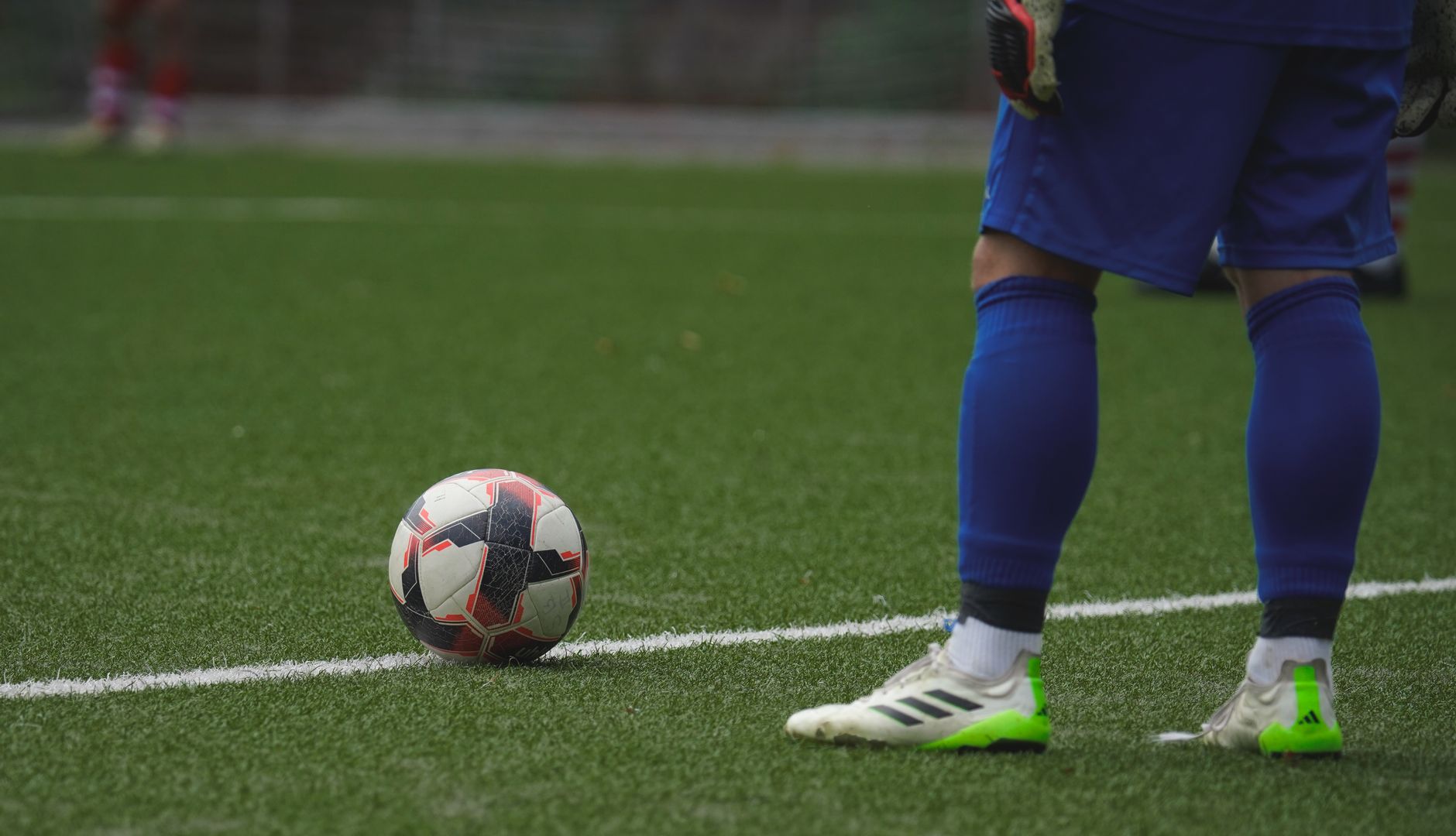
Photo by Omar Ramadan on Pexels
#3 Nike Mercurial Vapor 16 Academy: Best Value
Nike Mercurial Vapor 16 Academy is the best-value choice for beginners who want a close, responsive feel without paying premium Mercurial prices. Its streamlined shape and aggressive visual identity appeal to players who spend much of training sprinting, pressing, and changing direction. The trade-off is a less forgiving fit, especially for wide feet or players who dislike firm contact around the midfoot.
The Vapor 16 Academy makes most sense when the player already knows that speed is a priority. A winger, outside midfielder, or forward may appreciate the lightweight sensation, but a new central defender or goalkeeper does not need to buy a speed boot simply because it looks fast. The soleplate still has to match the pitch. Firm-ground studs are made for natural grass; artificial-grass versions distribute pressure differently and should not be treated as interchangeable.
Here is the contrarian bit: the cheapest cleat is not always the best value. If a $75 model causes blisters after two sessions, its effective cost becomes higher than a comfortable $90 pair that lasts a full season. Track comfort after sessions 1, 3, and 6. If pain remains in the same location, stop trying to “break in” the shoe. Shoes can soften. Feet should not be sacrificed to prove a point.
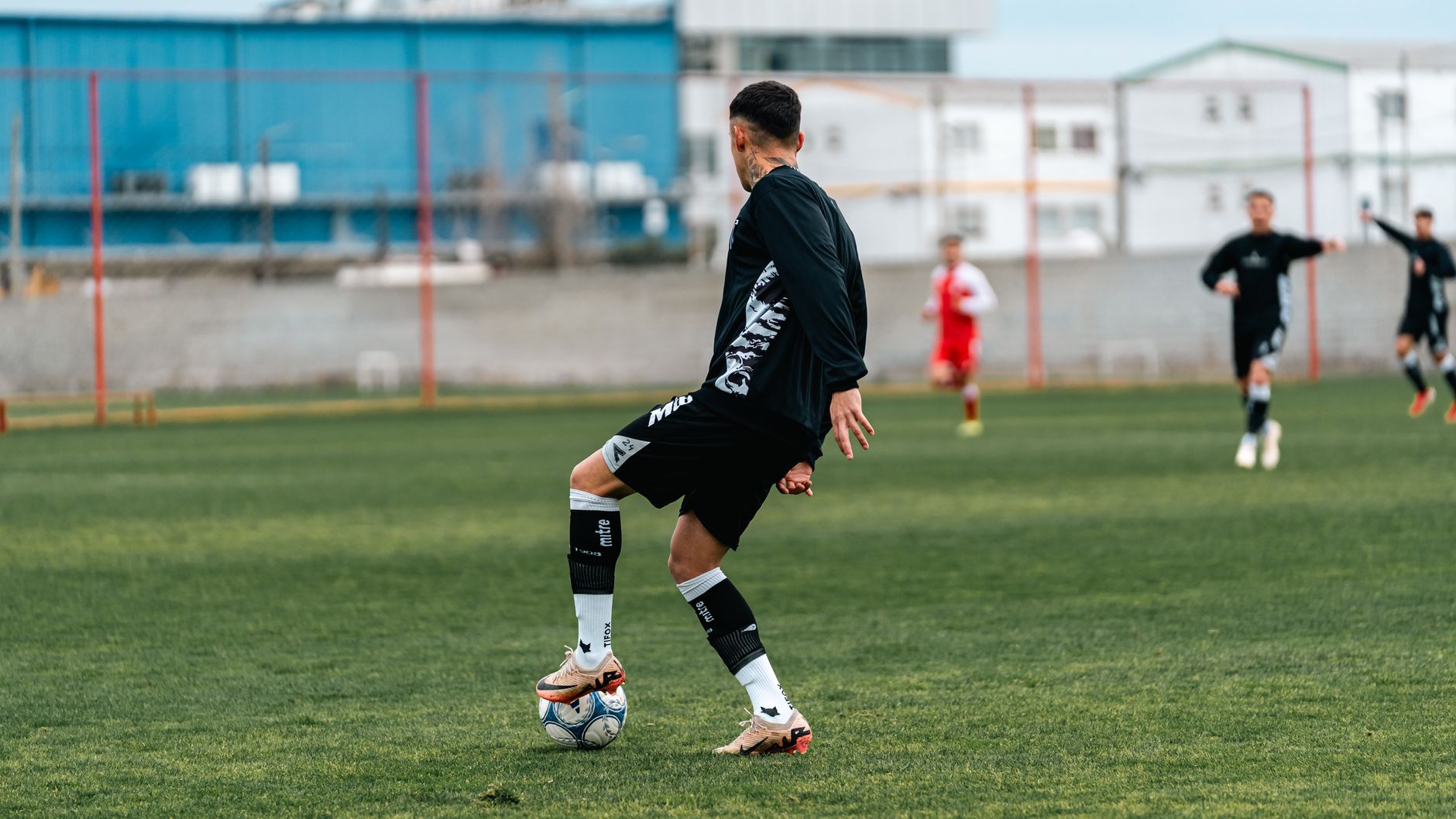
Photo by Franco Monsalvo on Pexels
How We Ranked Them
These rankings compare beginner priorities, not professional endorsement deals. Football Insights weighted fit and comfort most heavily because inexperienced players spend more time learning movement than exploiting tiny performance gains. We also checked soleplate purpose, upper durability, ball contact, price, and availability from established retailers in the United States and United Kingdom.
Scoring criteria
- Fit and comfort: 30% — heel security, toe room, pressure points, and break-in behavior.
- Traction and stability: 25% — dependable grip on suitable natural-grass surfaces.
- Ball control: 15% — touch consistency for passing, receiving, and dribbling.
- Durability: 15% — upper construction, outsole bonding, and cleaning tolerance.
- Value: 15% — typical 2026 price compared with useful performance.
The ranking excludes elite-level editions because their higher prices often buy lighter materials rather than beginner-critical benefits. adidas, Nike, IFAB, FIFA, and the United States Soccer Federation all use different product or rules terminology, so confirm the exact outsole label before purchase. “FG,” “AG,” “TF,” and “IN” are not decorative letters: they describe different surface applications.
A practical verification check catches most bad purchases:
- Confirm the exact model and outsole code.
- Compare the manufacturer’s size chart with foot length in centimeters.
- Read the return policy before ordering.
- Search the retailer’s business address, contact details, and independent reviews.
- Photograph the box label if the product arrives with suspicious printing or missing information.
[Internal Link: football cleat surface guide]
What Should You Look for in Beginner Football Cleats?
Beginner football cleats should provide a secure heel, moderate toe space, useful traction, and enough comfort for 60–90-minute sessions. The correct soleplate depends on the playing surface, while the correct shape depends on foot width and volume. Price, brand prestige, and extreme lightness come after those practical requirements.
Start with the outsole. FG means firm ground and generally suits natural-grass fields with short or moderate grass. AG is built for artificial grass, often using more studs or different pressure distribution. TF turf shoes use many small rubber lugs for older, shorter synthetic surfaces, while IN or indoor models have flat, non-marking soles. Using FG studs on hard artificial turf can feel uncomfortable and may increase pressure under the foot.
Then check fit:
- The heel should remain locked during walking and cutting.
- The toes should not touch the front while standing.
- The upper should hold the foot without sharp pressure.
- The arch should feel supported, not pinched.
- Both feet should be measured because they may differ slightly.
The American Academy of Orthopaedic Surgeons emphasizes that athletic footwear should fit the activity and provide appropriate support. That is not glamorous advice. It is useful advice.
Which Should You Pick?
Choose Nike Tiempo Legend 10 Academy if you want the least complicated all-round option. Choose adidas Copa Pure 3 League if standard football cleats feel tight across your forefoot. Choose Nike Mercurial Vapor 16 Academy if your feet are relatively narrow and you strongly prefer a lightweight, speed-oriented feel.
Do not choose by position alone. A beginner striker does not automatically need Mercurial boots, and a defender does not automatically need a heavy cleat. Your pitch, foot shape, training length, and comfort history matter more than the position printed on a team sheet.
For a first purchase, my order is simple: try the Tiempo first, the Copa second if you need width, and the Mercurial third if speed feel genuinely matters. Buy from Nike, adidas, an authorized football retailer, or a store with a clear return process. Avoid suspicious “factory direct” listings offering a $90 model for $19. That is not a bargain. That is a small crime scene waiting for your card details.
Ready to compare your options before training?
How Can You Maintain Your First Pair?
Clean football cleats after every session by removing loose grass, wiping the upper with a damp cloth, and allowing them to dry naturally away from radiators. Never put wet boots in a dryer or seal them in a sports bag overnight. Heat can damage adhesives, while trapped moisture encourages odor and material breakdown.
Rotate pairs when possible. A single pair used four times weekly will experience more moisture and outsole stress than a pair used twice weekly. Check the studs every two weeks for excessive wear, cracks, or separation. If the soleplate begins separating from the upper, retire the cleat; glue repairs may hold temporarily but can change stability.
Drying time is an overlooked information point. In a cool, damp room, a soaked synthetic upper may need 12–24 hours before the interior is fully dry, even when the outside feels normal. Use plain paper to absorb moisture, replace it once, and keep the insole outside overnight. No newspaper ink experiments needed.
[Internal Link: football boot cleaning and storage tips]
Frequently Asked Questions
Q: What are the best football cleats for beginners?
A: Nike Tiempo Legend 10 Academy is the best overall beginner football cleat for most players. It offers balanced comfort, touch, traction, and durability at roughly $85–$95 in 2026. adidas Copa Pure 3 League is better for wider feet, while Nike Mercurial Vapor 16 Academy suits narrow-footed players who prefer speed.
Q: How should beginner football cleats fit?
A: Beginner football cleats should hold the heel securely while leaving approximately 5–8 millimeters of space beyond the toes. Wear match socks when testing and walk or jog for at least 10–15 minutes. Any immediate numbness, sharp pressure, or heel slipping is a fit problem, not a normal break-in stage.
Q: What is the difference between FG and AG football cleats?
A: FG cleats are designed mainly for natural firm-ground grass, while AG cleats are designed for artificial grass. FG models usually have longer, more widely spaced studs, whereas AG designs distribute pressure across synthetic surfaces. Check your league field and outsole label before buying because the two types are not interchangeable.
Q: Are expensive football cleats worth it for beginners?
A: Expensive football cleats are usually unnecessary for beginners because academy models already provide adequate traction, comfort, and ball control. Elite boots can exceed $200 and may use lighter materials or advanced construction. Spend more only when a specific fit, material, or durability benefit solves a real problem.
Q: How do you break in new football cleats safely?
A: Break in new football cleats through two or three short sessions of 20–30 minutes before wearing them for a full match. Use normal football socks and stop if blisters or numbness appear. Do not soak the boots, heat them, or buy an undersized pair expecting the material to stretch dramatically.
Q: Why do football cleats cause blisters?
A: Football cleats cause blisters when friction develops from heel movement, moisture, stiff seams, or incorrect sizing. Tighten the laces, keep socks dry, and test whether the heel remains stable during cuts. Persistent blisters in the same area usually mean the model’s shape does not match your foot.
Q: How much should beginner football cleats cost in 2026?
A: A reliable beginner football cleat typically costs $70–$100 in the United States during 2026. Nike Tiempo Legend 10 Academy, adidas Copa Pure 3 League, and Nike Mercurial Vapor 16 Academy commonly sit in that range. Seasonal discounts can reduce prices, but unusually low listings require careful retailer and product verification.
The simplest final rule is this: buy the cleat that fits your foot and field, not the one with the loudest marketing. Nike Tiempo Legend 10 Academy is the safest starting point, adidas Copa Pure 3 League handles width better, and Nike Mercurial Vapor 16 Academy rewards players who genuinely want a faster feel. Measure twice. Check the outsole. Keep the receipt. Done.
Find more practical football coverage and tournament insights from Football Insights before your next session.
Thank you for reading this strategic analysis.
Football Insights · High-Stakes Insights · Strategic Excellence