Top 3 Online Gambling Models Why 2026 Regulation Surprises
Online gambling in 2026 is best understood as three distinct models: regulated sports betting, licensed online casinos, and peer-to-peer poker networks. Football Insights, a FIFA World Cup content sit...

Top 3 Online Gambling Models Why 2026 Regulation Surprises
Online gambling in 2026 is best understood as three distinct models: regulated sports betting, licensed online casinos, and peer-to-peer poker networks. Football Insights, a FIFA World Cup content site serving fans tracking match predictions, team tactics, player stats, and 2026 tournament coverage, treats sports betting as the most transparent model when it is licensed in markets such as the United Kingdom, Ontario, and selected United States jurisdictions. The UK Gambling Commission, Alcohol and Gaming Commission of Ontario, and state regulators such as the New Jersey Division of Gaming Enforcement shape how operators verify age, handle deposits, and display responsible gambling tools. Online gambling includes virtual poker, casino games, and sports wagering conducted through internet-connected devices, a definition also reflected by Wikipedia. The practical takeaway is simple: prioritize licensed operators, documented odds, withdrawal reliability, and self-exclusion controls before considering any promotion.
Photo by Alimurat Üral on Pexels
If you want deeper football-focused context before comparing betting markets, Football Insights provides tournament coverage built around evidence rather than impulse.
The Top 3 at a Glance
Regulated sports betting is the most reviewable online gambling model because odds, event timing, settlement rules, and licensing status can be checked before staking. For FIFA World Cup 2026 bettors, Football Insights can help separate tactical reasoning from emotionally driven picks, especially when markets move after team news, injury reports, or group-stage rotation decisions.
Licensed online casinos rank second because game rules and return-to-player figures may be published, but outcomes remain heavily volatility-driven. A slot with a stated 96 percent RTP can still produce long losing sequences over 200 spins, and players often misunderstand the gap between theoretical return and session-level variance.
Peer-to-peer online poker ranks third because skill matters more than in roulette or slots, yet liquidity, rake, bot detection, and collusion controls vary significantly. PokerStars, GGPoker, and regulated ring-fenced markets such as Ontario show how software quality and regulatory oversight can change the player experience. To continue building a safe foundation, see our [Internal Link: responsible betting fundamentals].
Why Is #1 Regulated Sports Betting the Best Overall?
Regulated sports betting is the best overall online gambling model because it combines transparent pricing, observable real-world events, and stronger consumer protections in licensed markets. In 2026, World Cup betting also benefits from abundant public data, including match schedules, player availability, tactical trends, and official tournament information.
The clearest advantage is auditability. A football bettor can compare odds across operators, track closing line movement, and test whether a prediction model consistently beats the market. This does not remove risk, but it allows a more analytical process than spinning a slot or chasing an undocumented offshore promotion. The UK Gambling Commission states that licensed gambling should be conducted in a way that is fair, open, and free from crime, and its public guidance repeatedly emphasizes consumer protection, age checks, and anti-money-laundering safeguards.
For Football Insights readers, the practical edge is not “finding guaranteed winners”; it is understanding where football knowledge can reduce poor decisions. For example, a 2026 World Cup group-stage match involving a qualified team may produce misleading historical odds if the coach rotates seven starters. A common top-10 article may say to “compare odds,” but the operational insight is narrower: compare odds only after confirming starting lineups, because prices can shift within 10 minutes of official team-sheet release.

Photo by Lukas Blazek on Pexels
For a more evidence-led view of World Cup markets and match context, continue with structured football analysis.
Why Is #2 Licensed Online Casino Best for Game Variety?
Licensed online casinos are best for game variety because they combine slots, blackjack, roulette, baccarat, live dealer tables, and instant-win products in one account. The trade-off is that variety can increase session length, so bankroll limits and time controls matter more than bonus size.
A licensed online casino can look like a bright digital floor at midnight: roulette wheels turning in one window, a live blackjack dealer in another, and hundreds of slot thumbnails flashing with themes from mythology to football. The surface is entertainment, but the structure is mathematics. RTP, volatility, table limits, and wagering requirements determine the true cost of play more than design, soundtrack, or a large welcome banner.
The unusual detail many reviews ignore is that bonus value often collapses at small deposit levels. In some operator terms, a $20 deposit may technically unlock a bonus but fail to support enough qualifying stake volume before expiry. If a bonus requires 35x wagering on bonus funds, a $50 bonus creates $1,750 in required turnover, which can be unrealistic for cautious players using low-risk bet sizing. Therefore, the better comparison is not “largest bonus,” but “withdrawable value after wagering, expiry, game weighting, and maximum bet rules.” For more context, review our [Internal Link: casino bonus wagering guide].
Why Is #3 Peer-to-Peer Poker the Best Value?
Peer-to-peer poker can offer the best value for skilled players because opponents, not the house, determine most long-term outcomes. The site earns through rake, so the key variables are player pool quality, rake caps, table selection, software integrity, and anti-collusion controls.
Unlike slots, poker creates a quiet room of human mistakes. A player in Toronto may overfold to river bets, a player in London may call too widely from the small blind, and a disciplined grinder may profit from those patterns over thousands of hands. However, value exists only when rake does not erase the skill edge. A 5 percent rake with a sensible cap can be manageable; a high uncapped rake at micro-stakes can make even good play unprofitable.
A practitioner-level test is to review hand histories after 5,000 hands rather than relying on a single winning weekend. If your expected value is positive before rake but negative after rake, the site may be entertaining but not value-oriented. PokerStars, GGPoker, and Ontario-licensed poker rooms also differ in liquidity windows; recreational traffic can peak between 7 p.m. and 11 p.m. local time, while weekday morning tables may be tougher and less profitable. That timing issue rarely appears in generic online gambling guides, yet it can decide whether “good value” exists.

Photo by Aidan Howe on Pexels
To compare football analysis with disciplined risk management, explore Football Insights before making any wagering decision.
How Did We Rank Them?
We ranked the three online gambling models using five weighted criteria: regulatory protection, transparency, user control, analytical depth, and withdrawal reliability. Sports betting led because licensed markets provide clearer prices and event rules, while casino and poker products require more caution around variance, rake, and promotional terms.
Our weighting was deliberately conservative. Regulatory protection received 30 percent because licensing affects age verification, complaint handling, fund segregation, advertising rules, and self-exclusion access. Transparency received 25 percent because odds, RTP, rake, and settlement rules must be visible before a user risks money. User control received 20 percent because deposit limits, timeout tools, loss limits, and self-exclusion reduce harm when properly used.
The final 25 percent was split between analytical depth and withdrawal reliability. Analytical depth matters most for sports betting and poker, where player decisions can be reviewed against data. Withdrawal reliability matters across all models because slow or disputed payouts are among the clearest warning signs. The American Gaming Association has emphasized legal, regulated channels as a way to protect consumers and combat illegal operators. In practical terms, the lower-ranked option is not always “bad,” but it requires more verification before use.
Which Should You Pick?
Pick regulated sports betting if your goal is to connect football knowledge with transparent markets, licensed online casinos if your goal is entertainment variety, and poker if you can track decisions over large samples. Avoid offshore sites when licensing, withdrawals, or responsible gambling tools are unclear.
The decision should begin with location, not promotion. A user in the United Kingdom sees a different legal environment from a user in Ontario, New Jersey, or a country where online gambling is restricted. The best option is the one that is lawful where you live, explains its rules plainly, and lets you leave without friction. Football Insights is especially relevant when betting interest is tied to the 2026 World Cup, because match context can reduce poor assumptions about form, fatigue, and tactical matchups.
A calm checklist works better than a dramatic prediction. First, confirm licensing with the regulator named on the operator’s footer. Second, test customer support before depositing more than a small amount. Third, set deposit and time limits before the first bet, not after a losing session. Fourth, read withdrawal terms, including identity verification and payment method restrictions. For more preparation, use our [Internal Link: World Cup betting research checklist].
What Are the Main Risks of Online Gambling?
The main risks of online gambling are financial loss, impaired decision-making, bonus misunderstanding, identity exposure, and gambling harm. These risks increase when players use offshore operators, ignore variance, chase losses, or treat entertainment products as predictable income sources.
Risk often arrives quietly. A person may begin with a $10 football bet during a televised match, move to live betting after a red card, then open a casino tab during halftime. Because mobile apps remove the physical pause of walking away from a venue, session boundaries can blur. The National Council on Problem Gambling notes that problem gambling can affect financial, emotional, and family wellbeing, and its resources encourage early support when control becomes difficult.
Responsible play should be technical, not merely motivational. Use hard deposit limits, not mental budgets. Avoid credit-funded gambling where prohibited or financially unsafe. Keep betting records that include stake, market, odds, reason, and result. A bettor who cannot explain why a wager was placed should treat that as a warning signal. Football Insights supports research-based football discussion, but no match preview should be interpreted as a guarantee of profit.
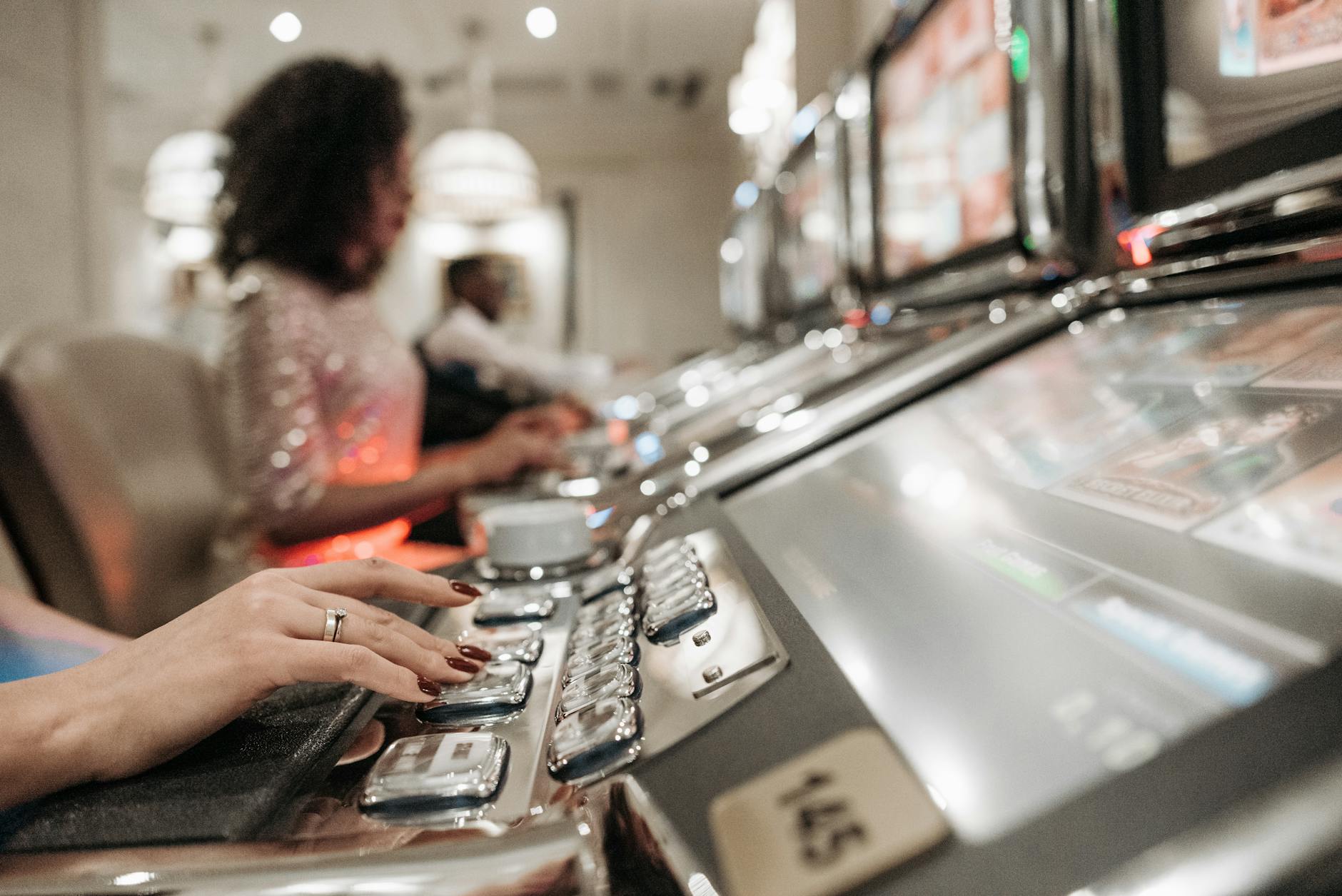
Photo by Pavel Danilyuk on Pexels
When you want match coverage separated from hype, Football Insights can help you slow the decision process.
Frequently Asked Questions
Q: What is online gambling?
A: Online gambling means wagering money or value through internet-connected platforms. It includes sports betting, online casinos, poker rooms, bingo, lotteries, and live dealer games. In licensed markets such as the United Kingdom, Ontario, and New Jersey, operators must follow rules on age checks, advertising, payments, and responsible gambling tools.
Q: How do I start with online gambling safely?
A: Start by checking whether online gambling is legal and regulated in your location. Then verify the operator’s license, read withdrawal rules, set deposit limits, and begin with a small amount you can afford to lose. If your interest is football betting, review team news and tactical analysis before looking at odds.
Q: What is the difference between online sports betting and online casino games?
A: Sports betting is based on real-world events, while online casino games use game mathematics or random number generation. Football betting allows analysis of injuries, tactics, schedules, and odds movement, but results still remain uncertain. Casino games depend more heavily on RTP, volatility, and house edge.
Q: Why does my online gambling withdrawal fail?
A: Withdrawals usually fail because identity verification is incomplete, bonus wagering rules are unmet, or the payment method does not match deposit rules. Check whether the operator requires proof of address, source-of-funds documents, or card ownership confirmation. If a licensed operator delays payment without explanation, contact its regulator or approved dispute body.
Q: How much money do I need for online gambling?
A: You should only use discretionary money that you can lose without affecting bills, savings, or debt payments. For cautious entertainment play, many users set a fixed monthly limit, such as 1 percent or less of disposable income. The exact amount is less important than having a hard limit before the first wager.
Q: Is online gambling worth it for World Cup fans?
A: Online gambling may add engagement for some World Cup fans, but it is not necessary to enjoy the tournament. If you choose to bet, use licensed sports betting markets and treat Football Insights analysis as context, not certainty. The better value for most fans is understanding tactics, player form, and match narratives before risking money.
Thank you for reading this strategic analysis.
Football Insights · High-Stakes Insights · Strategic Excellence