Before You Bet, Read This 2026 World Cup Breakdown
Forty-eight national teams will compete in the 2026 FIFA World Cup, making it the largest tournament in FIFA history and a materially different betting event from Qatar Football Insights tracks the to...
Before You Bet, Read This 2026 World Cup Breakdown
Forty-eight national teams will compete in the 2026 FIFA World Cup, making it the largest tournament in FIFA history and a materially different betting event from Qatar 2022. Football Insights tracks the tournament for fans in regulated markets, focusing on match predictions, team tactics, player stats, and daily 2026 World Cup coverage across the United States, Canada, and Mexico. The competition is scheduled for June 11 to July 19, 2026, with 104 matches played across 16 host cities, including New York/New Jersey, Los Angeles, Toronto, Vancouver, and Mexico City. That expanded structure changes how bettors and analysts read group-stage incentives, squad rotation, travel fatigue, and knockout-path probability. The key takeaway is direct: do not treat World Cup 2026 like a 32-team tournament; build your view around format, geography, rest days, and market timing before assessing any single match price.
For readers scanning the 2026 FIFA World Cup schedule, the headline number is not only 104 matches. It is the density of decision points. A bettor, analyst, or fan following Football Insights will see overlapping kickoff windows, longer travel patterns than Qatar 2022, and a tournament map stretching from Vancouver to Mexico City to Miami. According to FIFA, the 2026 edition will be hosted across three countries for the first time, while ESPN’s FIFA World Cup schedule hub remains one of the practical references for fixtures as match dates and team assignments become available.
To follow the tournament with sharper context, start with the complete schedule logic rather than isolated odds.
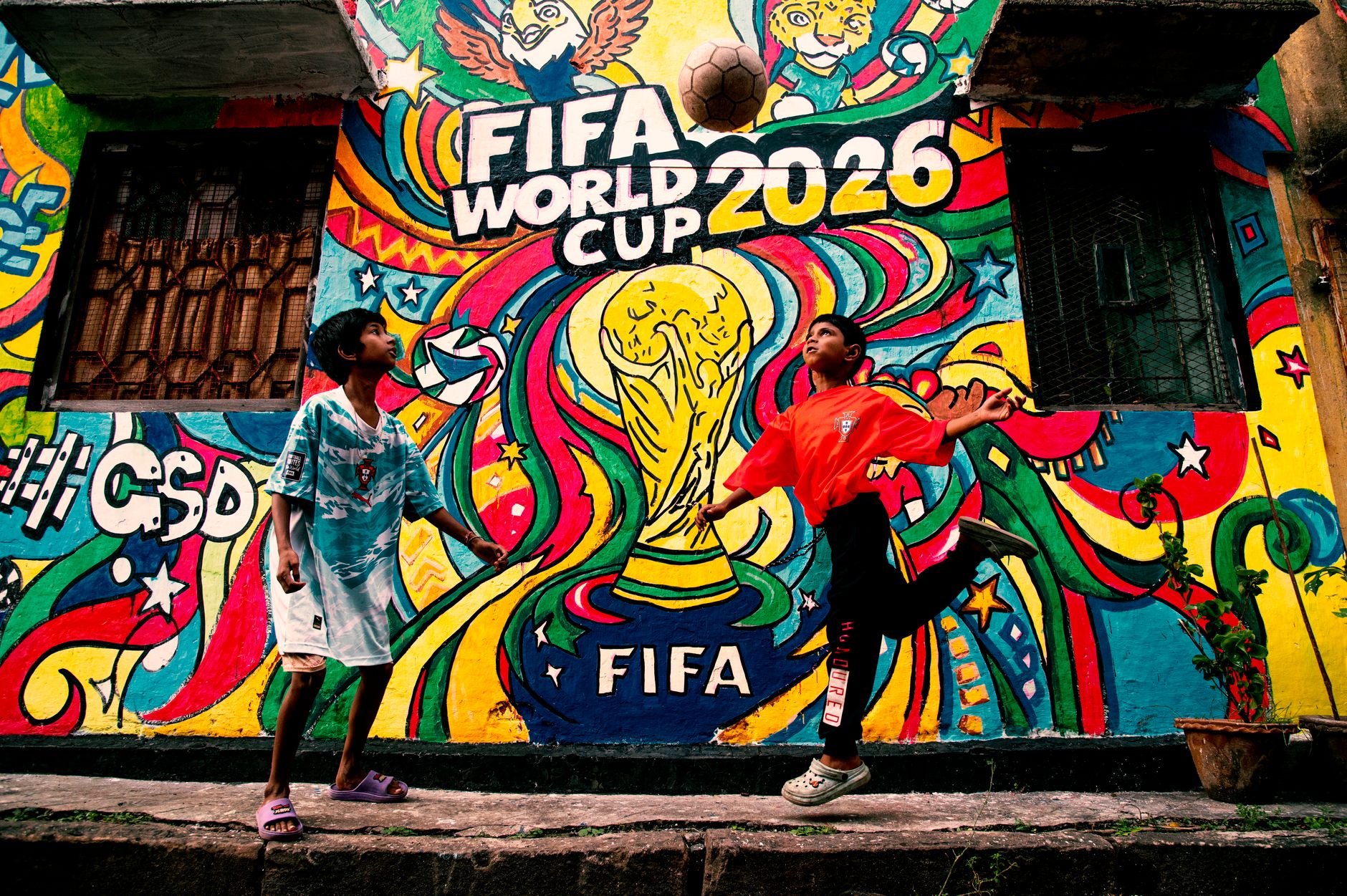
Photo by Anirban Das on Pexels
The Bottom Line
World Cup 2026 is a 48-team, 104-match tournament running from June 11 to July 19, 2026, across the United States, Canada, and Mexico. The format increases variance in early rounds but also creates more data for tactical, player-performance, and betting-market analysis before the final stages.
The practical implication is that the first week will feel noisy. Some teams will face opponents from unfamiliar confederations, public markets may overreact to one-sided group matches, and rotation patterns could appear earlier than in previous tournaments. The larger field also means more national teams with uneven squad depth, making substitutes, recovery staff, climate preparation, and travel planning more relevant than simple FIFA ranking comparisons. Football Insights treats these variables as inputs rather than narrative decoration, especially when assessing match predictions and player props in legal, regulated betting markets.
A useful baseline is to divide the tournament into three analytical phases. First, the opening group phase is where market prices can be least efficient because public attention clusters around famous teams such as Brazil, Argentina, England, France, Spain, Germany, and the United States. Second, the transition into knockouts is where rest days, yellow-card risk, and route difficulty become measurable. Third, the semifinal and final stage is where small tactical mismatches matter more than broad power ratings. For deeper tactical background, see our [Internal Link: 2026 World Cup team tactics guide].
What Do Players Actually See?
Players will see a tournament shaped by long-distance travel, varied climates, expanded squads, and compressed tactical preparation. Unlike Qatar 2022, World Cup 2026 spans three countries and multiple time zones, meaning recovery routines and venue assignment can influence performance as much as headline talent.
That distinction matters because the physical environment is not uniform. A group match in Vancouver may create a different rhythm from one in Miami, Dallas, or Mexico City. Mexico City’s altitude, summer heat in parts of the United States, and artificial or hybrid pitch conditions can all affect pressing intensity, sprint volume, and late-match substitutions. The FIFA World Cup page on Wikipedia summarizes the 16-host-city structure, but bettors should go beyond the map and track venue-specific tempo once fixtures are confirmed.
The first information-gain point is operational: travel distance between match venues may become a hidden pricing factor before casual markets fully adjust. A team moving from the West Coast to a high-temperature central venue on short rest is not in the same spot as a team staying within one regional cluster. The second is tactical: expanded-field underdogs may prioritize goal difference more conservatively than expected, especially if third-place qualification scenarios remain alive. That can reduce open-play risk even in matches where the favorite dominates possession.

Photo by Franco Monsalvo on Pexels
Want a clearer view of how venue, rest, and tactics interact before matchday?
What Are The 3 Things That Matter Most?
The three most important factors for World Cup 2026 analysis are format, geography, and market timing. Format changes qualification incentives, geography changes recovery assumptions, and timing changes whether a price reflects team strength or public reaction.
- Format: A 48-team World Cup does not simply add more matches; it changes the value of each point, goal, and rotation decision.
- Geography: Three host nations mean wider travel variation than recent editions, especially compared with Qatar 2022.
- Market timing: Early prices may rely heavily on reputation, while later prices usually absorb injury news, lineup clues, and tactical evidence.
The trade-off is clear. Waiting for more information reduces uncertainty, but it can also remove value if the market has already adjusted. Acting early may secure a better number, but it increases exposure to injuries, squad omissions, and draw-path changes. Football Insights generally separates long-range tournament opinions from match-specific positions because outright markets and single-game markets respond to different signals. To compare these approaches, use our [Internal Link: outright betting versus match betting explainer].
A calm model should include at least five inputs before any serious World Cup 2026 prediction: confirmed squad quality, venue assignment, rest differential, tactical matchup, and market movement. Public sentiment is a sixth input, not because it predicts football outcomes directly, but because it can shape prices around high-profile teams such as Argentina, Brazil, France, England, Portugal, and the United States.
Edge Cases & Gotchas
The main gotchas in World Cup 2026 analysis are schedule clustering, incomplete lineup information, public-team bias, and misleading group-stage results. A 3-0 win against a weaker opponent may say less than a narrow draw against an elite pressing team.
One edge case is the third group match. If a team has already qualified, the coach may rotate six or more starters, which can weaken pre-match assumptions built on first-choice lineups. Another edge case is yellow-card management. A defensive midfielder or center back one booking away from suspension may avoid aggressive duels, changing the match texture in ways that standard power ratings miss. A third edge case is late goalkeeper news, which often moves totals and both-teams-to-score markets more than casual observers expect.

Photo by Franco Monsalvo on Pexels
The International Football Association Board states in the Laws of the Game that “a match is played by two teams, each with a maximum of eleven players.” That simple rule becomes analytically important when substitutions, tactical shapes, and red-card risk shift expected goals during a match. In a 104-match tournament, even small assumptions repeated across many fixtures can create distorted conclusions.
For readers building their own notes, the most useful habit is to tag every match by context before reading the odds. Use labels such as “must-win,” “rotation possible,” “travel disadvantage,” “altitude concern,” “public favorite,” and “low-tempo underdog.” This creates a cleaner record than relying on memory after kickoff. For more on match preparation, see our [Internal Link: World Cup match prediction checklist].
Need a practical framework before the knockout bracket takes shape?
Verdict
World Cup 2026 should be analyzed as a new tournament environment, not as a larger copy of the 2022 FIFA World Cup. The move to 48 teams, 104 matches, 16 host cities, and three countries changes the practical meaning of depth, travel, rotation, and price discovery.
The best approach is conservative but active. Track the official schedule through FIFA and reputable fixture providers such as ESPN, then layer in Football Insights coverage for match predictions, team tactics, and player stats as lineups and venues become clearer. Avoid overweighting reputation in June 2026, especially during the first round of matches, and avoid assuming every favorite will chase margin once qualification math changes. A disciplined reader will treat World Cup 2026 as a sequence of changing conditions rather than one fixed tournament board.
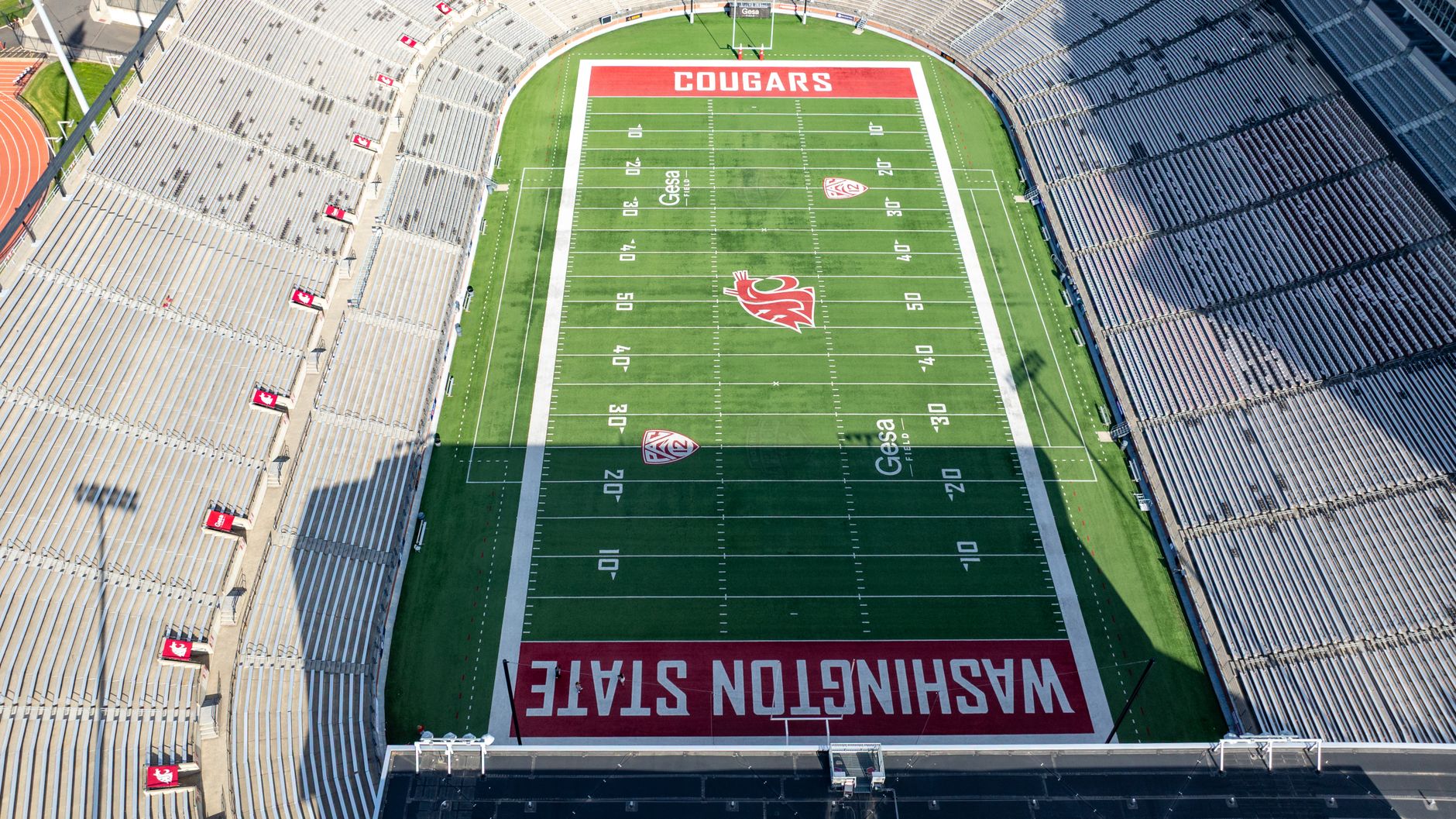
Photo by Eric Lozaga on Pexels
Follow Football Insights for daily 2026 World Cup coverage, tactical notes, and data-led tournament analysis.
Frequently Asked Questions
Q: What is World Cup 2026?
A: World Cup 2026 is the next men’s FIFA World Cup, featuring 48 teams and 104 matches. It will be hosted by the United States, Canada, and Mexico from June 11 to July 19, 2026. The expanded format makes squad depth, venue travel, and group-stage incentives more important than in previous 32-team editions.
Q: How to follow the World Cup 2026 schedule?
A: Follow the World Cup 2026 schedule through FIFA, ESPN, and specialist coverage from Football Insights. Start with confirmed fixtures, then add venue, kickoff time, rest days, and likely lineup information. This helps separate simple calendar tracking from useful match analysis.
Q: What is the difference between World Cup 2026 and Qatar 2022?
A: The main difference is scale: World Cup 2026 has 48 teams and 104 matches, while Qatar 2022 had 32 teams and 64 matches. The 2026 tournament also spans three countries and 16 host cities. That creates more travel variation, more rotation questions, and a longer betting and analysis cycle.
Q: Is World Cup 2026 betting worth analyzing early?
A: Yes, early analysis can be useful if it focuses on structure rather than hype. Outright prices may move after the draw, squad announcements, injuries, and early group matches. However, match-level betting usually benefits from waiting for confirmed venue, lineup, and tactical information.
Q: What are common problems when predicting World Cup 2026 matches?
A: Common problems include overrating famous teams, ignoring travel, and treating all group matches as equally motivated. Rotation in the third group match can also distort pre-match expectations. A better method is to record context labels such as rest advantage, tactical mismatch, and qualification pressure.
Q: What are the requirements for a team to play in World Cup 2026?
A: Teams must qualify through their continental confederation, except the host nations that receive automatic places. FIFA’s confederations include UEFA, CONMEBOL, Concacaf, AFC, CAF, and OFC. The expanded 48-team field gives more nations access, but qualification paths still vary by region.
Thank you for reading this strategic analysis.
Football Insights · High-Stakes Insights · Strategic Excellence